What are Pull Requests?
You've learned about branching and making changes to your code. Now, let's talk about how you can get those changes integrated back into the main project, especially when you're working with others. This is where Pull Requests (often shortened to PRs) shine.
Think of a Pull Request as a formal request to merge the changes from one branch into another. It's the core mechanism on platforms like GitHub for proposing your work to be reviewed and incorporated into a larger codebase. It's not just a simple merge; it's a conversation starter and a quality gate.
Here's a breakdown of what a Pull Request typically involves and why it's so important for collaboration:
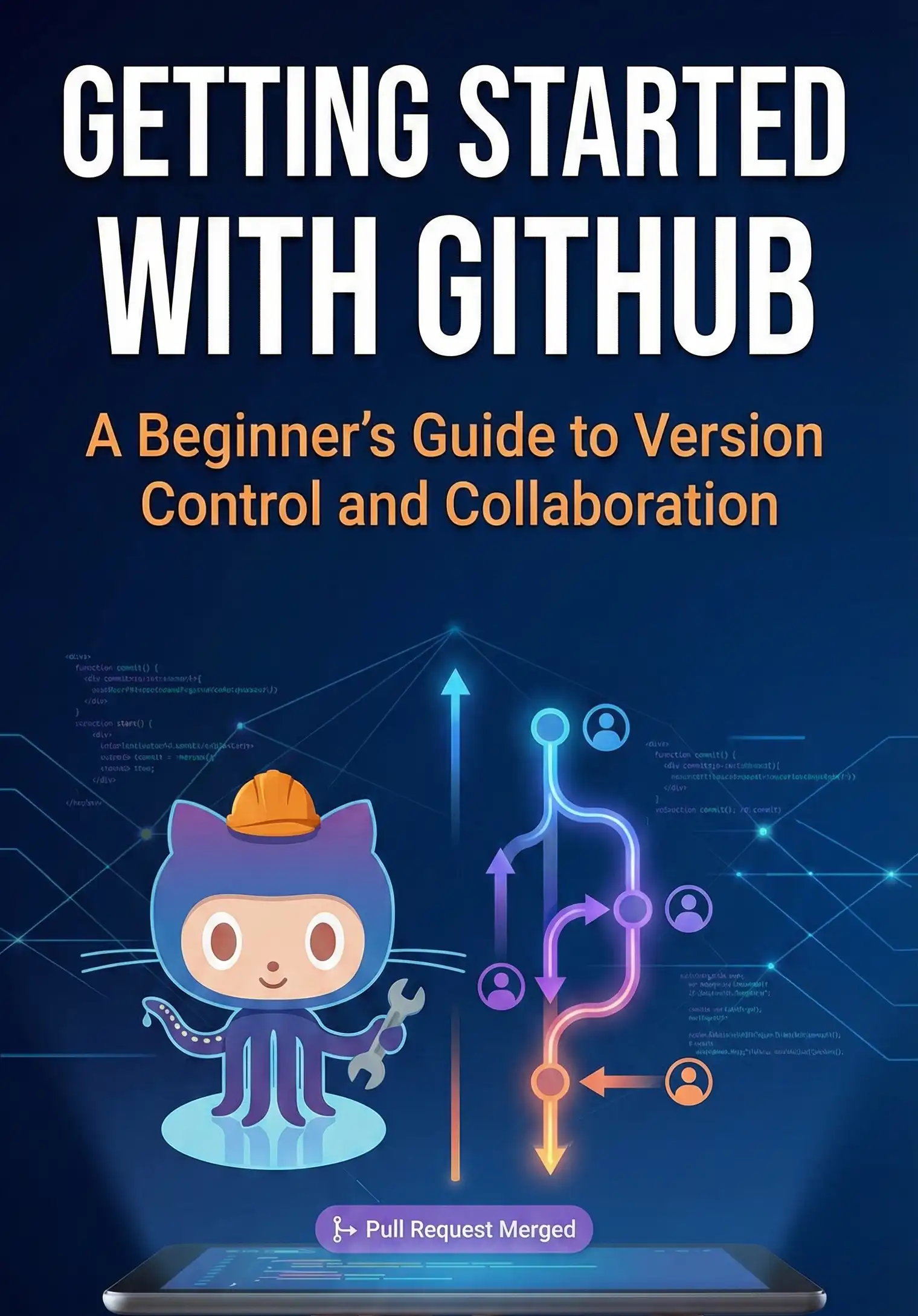
A formal proposal: When you create a Pull Request, you're saying, 'Here are the changes I've made in my branch, and I'd like to propose merging them into the main branch (or another target branch).' This proposal is presented visually on GitHub.
A platform for discussion: A PR isn't just about the code. It's a space where team members can comment on your proposed changes. They can ask questions, suggest improvements, point out potential bugs, or even approve the changes directly. This discussion is crucial for code quality and knowledge sharing.
A chance for code review: This is arguably the most critical aspect. Other developers on your team can review the specific lines of code you've changed. They can identify errors, suggest more efficient solutions, and ensure the code adheres to project standards. This collaborative review process helps catch bugs early and leads to better code overall.
A gateway to integration: Once your changes have been reviewed and approved, the Pull Request can be merged. This action integrates the code from your branch into the target branch. Platforms like GitHub often provide automated checks (like running tests) that must pass before a PR can be merged, further ensuring code stability.
The typical workflow looks something like this: